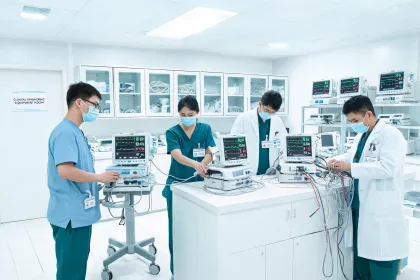
Hospitals
Acute-care teams need interoperability notes, PM planning, alarm policy review, and rapid service escalation.

Engineered for hospital teams. Audited under ISO 13485 and IEC 60601-1.
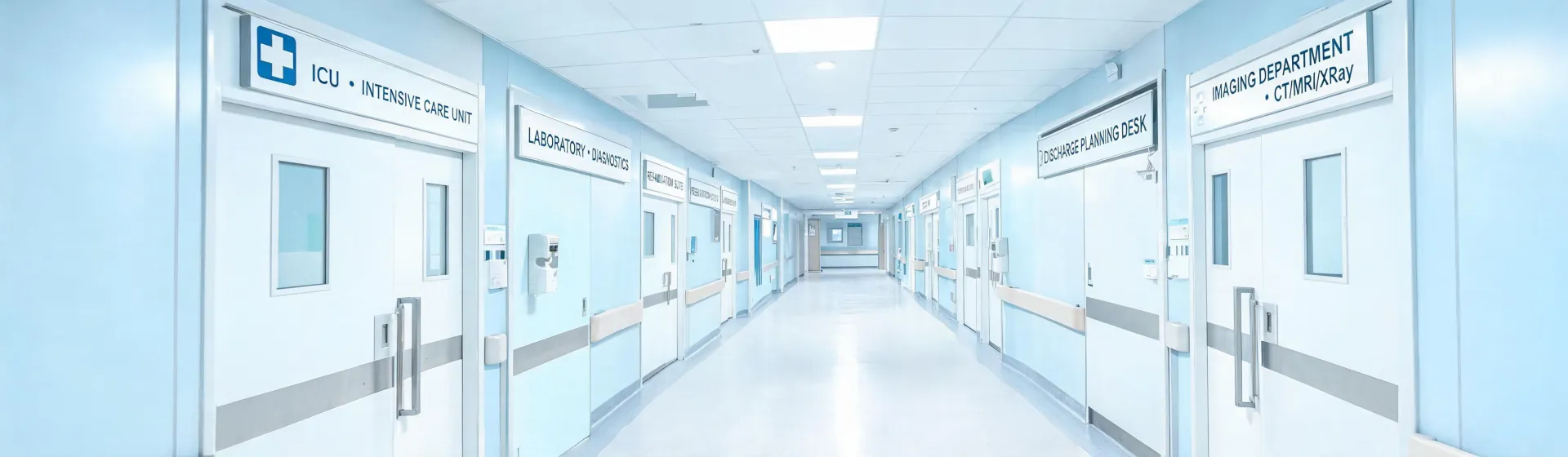
Device programs are shaped by care environment, staffing model, documentation burden, and service expectations.
Acute-care teams need interoperability notes, PM planning, alarm policy review, and rapid service escalation.
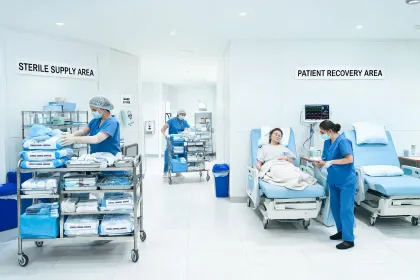
ASC buyers focus on predictable setup, fast training, lean documentation, and clear service accountability.
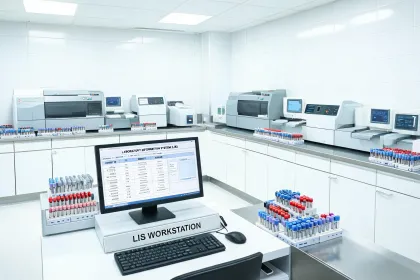
Lab programs require QC records, LIS messaging, lot traceability, calibration cadence, and downtime mitigation.
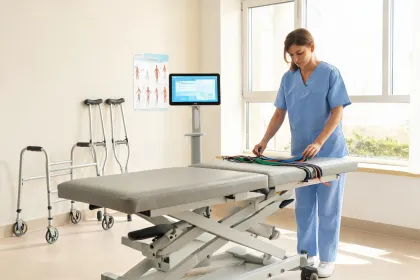
Therapy and mobility teams evaluate durability, caregiver training, patient compliance, and discharge planning.
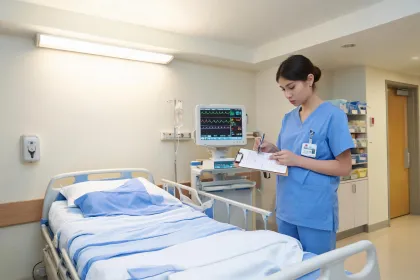
Long-term care settings need easy maintenance, staff education, inventory controls, and responsive replacement support.
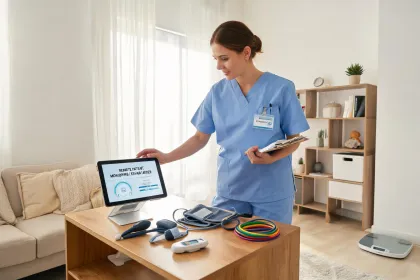
Home programs depend on caregiver kits, connectivity options, reimbursement notes, and 30-day onboarding support.
A single catalog rarely answers every care-setting question. A hospital may ask whether a connected device can write observations into the EHR, whether alarms can be tuned to reduce fatigue, and how the field service team responds after hours. A reference lab may ask about throughput, sample handling, QC records, reagent storage, and bidirectional middleware. A rehabilitation provider may care more about caregiver instruction, durability, payer documentation, and transition from inpatient care to home use. Smith And Nephew organizes each response around the operating model of the facility, so the same procurement packet can be understood by clinicians, IT, finance, materials management, and biomedical engineering.